
Residential treatment, Portland
Residential addiction treatment in Portland, Oregon
Live-in treatment with 24/7 clinical support, in a home-like setting where you can step away from daily triggers and focus on recovery.

 Talk with Garrett, Tuni or another member of our admissions team.
 Medically reviewed by Medical Director Dave Cundiff, MD, MPH, FASAM · Updated
At a glance
Residential treatment at a glance
The essentials in one place. Admissions can walk you through any of it.
- Setting
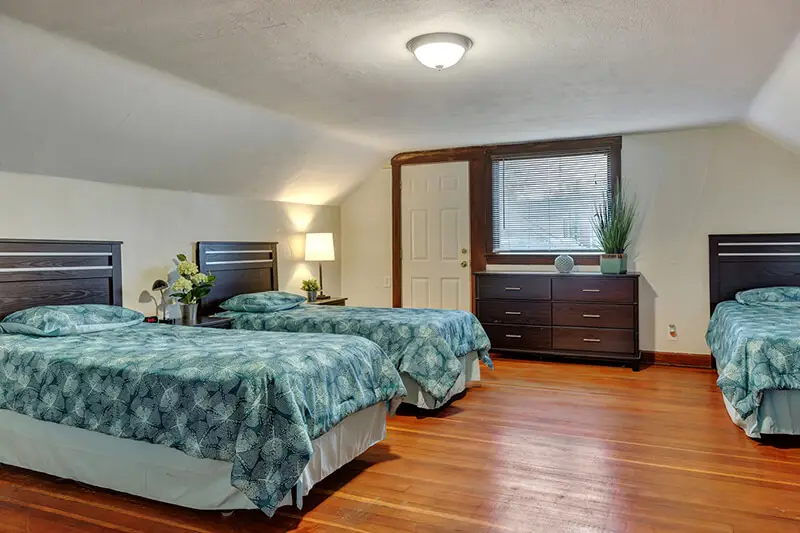
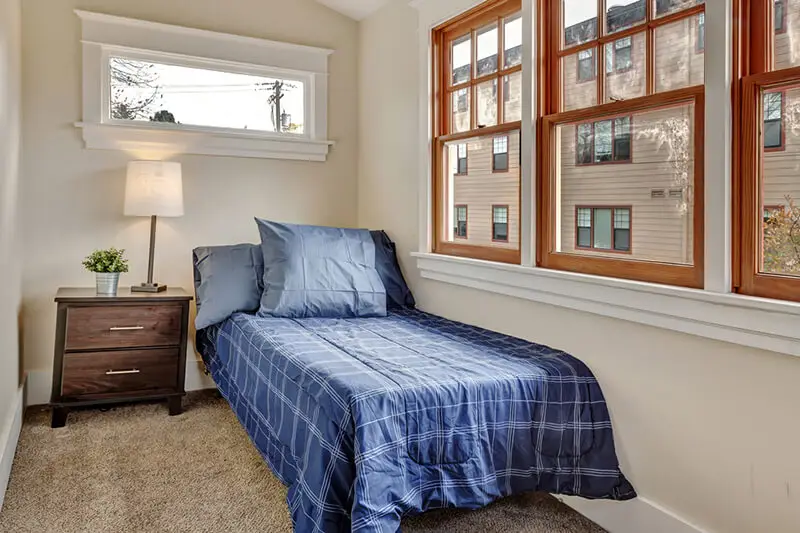
- A structured, home-like residence on our Portland campus
- Support
- Clinical support around the clock
- Therapy
- Individual, group and family therapy, with CBT, DBT and trauma-focused counseling
- Licensing
- Licensed by the Oregon Health Authority
- Detox
- Arranged by referral before you arrive
- Next steps
- Step down to PHP, intensive outpatient or sober living
- Paying
- Most major plans. Free insurance check before you start
Levels of care
Where this program fits in your care
Care usually steps down from more structure to less. Your assessment decides where you start, and you can move between levels as your needs change.
- DetoxBy referral, before treatment
- ResidentialLive-in, around the clock
- Partial hospitalizationFull days, home at night
- Intensive outpatientSeveral days a week
- OutpatientRegular sessions
- AftercareSupport after a program
More structureMore independence
Compare
How the levels of care compare
The main differences at a glance. A clinical assessment recommends the right level for you.
| Residential | PHP | Intensive outpatient | Outpatient | |
|---|---|---|---|---|
| Where you sleep | On site, in a home-like residence | At home or in sober living | At home | At home |
| Time in treatment | Around the clock | About 25 hours a week | Several days a week, evening options | Regular sessions on a set schedule |
| Clinical support | Available 24/7 | Throughout full treatment days | During structured sessions | During therapy and counseling sessions |
| Often a fit when | Use is moderate to severe, or outpatient care has not been enough | You need intensive care and have a stable place to live | You need structure while keeping up work, school or family | You want ongoing support with an everyday routine |
Swipe sideways on a phone to see every column.
What residential treatment means
Residential treatment is 24/7, live-in care for substance use disorder. You stay on site full time, follow a structured daily routine and receive intensive therapy from a team that is available around the clock.
Our residential program is a non-hospital, home-like setting on our Portland campus. Some clinical settings reserve the word inpatient for hospital-based detox or acute stabilization. At Crestview, residential and inpatient describe the same live-in level of care.
What is included
- A comprehensive intake assessment and a personalized treatment plan
- On-site clinical support around the clock
- Individual, group and family therapy
- Cognitive behavioral therapy (CBT), dialectical behavior therapy (DBT), trauma-focused counseling and medication management
- Holistic activities such as yoga, meditation and nutrition support
- A structured daily schedule and a peer community
Daily life
A typical day
- Morning
Breakfast and therapy
Days usually begin with a healthy breakfast, followed by morning group or individual therapy.
- Afternoon
Focused sessions and recreation
Clinical sessions on issues such as trauma or stress management, with time for yoga, arts and crafts or other holistic activities.
- Evening
Quiet time and rest
Evenings are quieter, with journaling and building healthy sleep habits.
Every schedule is adapted to your personal treatment plan.
Who residential treatment suits
- A moderate-to-severe substance use disorder
- Outpatient treatment has been tried without lasting success
- A co-occurring mental health condition alongside addiction
- A need for a substance-free environment away from daily triggers
- A need for around-the-clock clinical supervision
Admissions and a clinical assessment decide whether residential is the right fit.
Detox and medication
Crestview does not provide medical detox on-site. If you need detox, our admissions team will help you find a referral, and we welcome you into residential care once you are medically stable.
Medication for opioid and alcohol use disorders is part of the clinical plan where it is clinically appropriate.
Substances we treat
Residential care addresses substance use disorders involving alcohol, opioids including fentanyl and heroin, prescription drugs, benzodiazepines, cocaine and methamphetamine, along with co-occurring mental health conditions.
After residential care
Most clients step down to a lower level of care, such as partial hospitalization, intensive outpatient or aftercare, so the progress made in residential care carries into daily life.
Licensing
Two licensed levels of residential care
Crestview's residential program is licensed by the Oregon Health Authority at two ASAM levels and runs across three licensed residences in Portland.
ASAM Level 3.5
Clinically managed, high-intensity residential care for people who need the most structure and support in early recovery.
ASAM Level 3.1
Clinically managed, lower-intensity residential care, often a step toward more independence while still living on site.
Three Portland residences
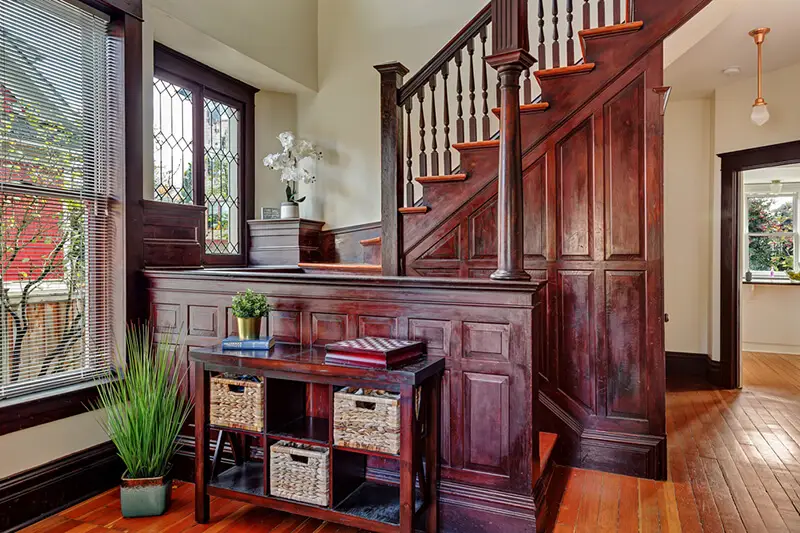
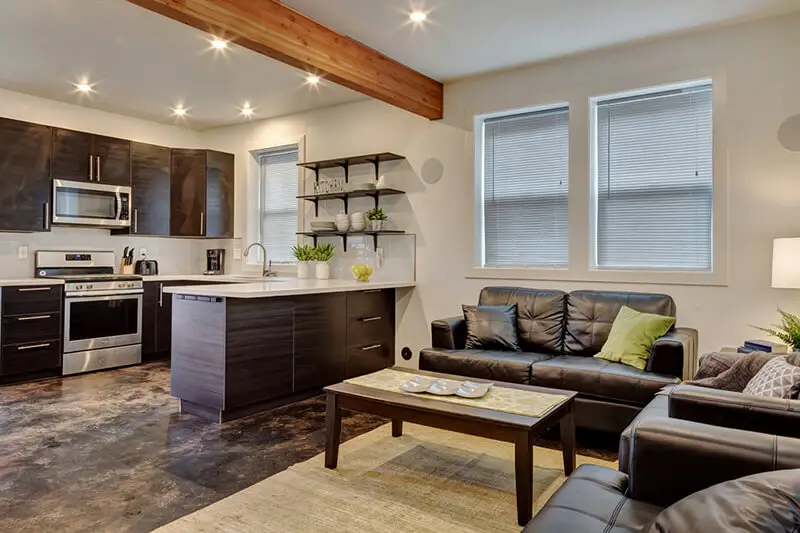
Home-like houses rather than a hospital ward, so recovery happens in a calm, everyday setting.
Clinical services
Therapies in residential care
Every plan is built from your assessment. Most residential plans draw on several of these approaches.
Cognitive behavioral therapy
Identify the thought patterns that lead to substance use and practice healthier ways to respond.
Dialectical behavior therapy
Skills for mindfulness, distress tolerance, emotional regulation and relationships.
Trauma-focused counseling
Process past experiences safely, at a pace that feels manageable.
Family therapy
Help loved ones understand addiction and support recovery without enabling it.
Medication management
Psychiatric and addiction medications reviewed and adjusted by the medical team.
Holistic activities
Yoga, meditation and nutrition support alongside clinical care.
Medication for addiction treatment
Medication when it helps
For opioid and alcohol use disorders, FDA-approved medications combined with counseling can make recovery safer and steadier. Options such as buprenorphine or methadone are discussed with the medical team as part of your plan, based on your assessment.
Trauma-informed care
Care that starts with safety
Many people in treatment have lived through trauma. Trauma-informed care puts safety and choice first, so you are never pushed faster than you can manage.
You learn to recognize the triggers that drive substance use and build coping skills you can use outside of treatment.
When it is part of your plan, trauma-focused therapy helps you process what happened and reduce PTSD symptoms.
Longer support
Extended options after residential care
The right length of treatment depends on your needs, any co-occurring conditions and your circumstances.
90-day treatment
A longer residential stay for people who need more time to stabilize.
Sober living
Substance-free housing with structure and peer support after treatment.
Aftercare
Ongoing therapy, relapse-prevention planning and alumni support.
Watch
Recovery is a team sport
Why the people around you matter in residential treatment.
Questions
Common questions
Still have a question?
Garrett, Tuni and the admissions team can answer anything that is not here. Confidential, no obligation.
Call (866) 262-0531What is the difference between residential treatment and inpatient rehab?
At Crestview the two describe the same 24/7, live-in level of care. Some clinical settings use inpatient for hospital-based detox or acute stabilization.
Do I need detox before residential treatment?
Crestview does not provide medical detox on-site. Once you are medically stable, we welcome you into residential care. Admissions will help you find a referral.
Will my insurance cover residential treatment?
Coverage depends on your plan and the level of care. Our free insurance check explains your network status and expected costs before you start.
How long does residential treatment last?
It depends on your assessment and progress. Some people stay several weeks, and Crestview also offers 90-day treatment for those who need more time. Most people then step down to PHP, intensive outpatient or aftercare.
What should I bring to residential treatment?
Admissions confirms what to bring after your first call, including any medications and medical history. Call (866) 262-0531 with questions before you arrive.
Is medication available in residential treatment?
Yes. The medical team manages psychiatric and addiction medications, and medication options for opioid or alcohol use disorders are discussed as part of your plan.
Your care team
The people behind this program
Licensed clinicians lead every level of care at Crestview.
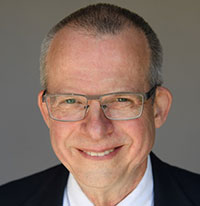
Medical Director
Dave Cundiff, MD, MPH, FASAM
Leads medical care and reviews our clinical content.
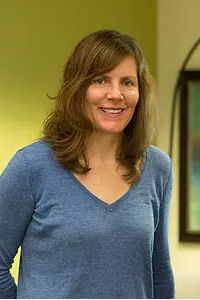
Director of Psychiatry
Jill C. Gladish, MD, MPH
Psychiatric care and medication management.

Clinical Director
Eric Pinkston, MA, CADC III
Oversees therapy and treatment planning.
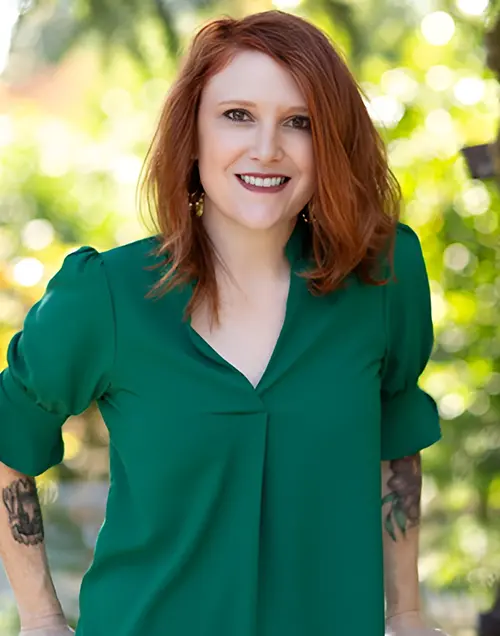
Nurse Practitioner
Bonnie Lambert, LPC, PMHNP-BC
Psychiatric nurse practitioner and counselor.
Not sure which level of care fits?
Talk it through with Garrett, Tuni or another member of our admissions team. The call is free and confidential, and there is no obligation.
Talk to admissions
A confidential call with our admissions team. We will listen, check your insurance and help you choose the right level of care. No obligation.