
Seniors
Addiction treatment for seniors in Portland, Oregon
Substance use in older adults is often missed or mistaken for normal aging. We treat adults of all ages, including seniors, with plans that account for health, medicines and the changes that come with later life.

 Talk with Garrett, Tuni or another member of our admissions team.
 Medically reviewed by Medical Director Dave Cundiff, MD, MPH, FASAM · Updated

Levels of care
Levels of care in this program
This program is offered across levels of care. Your assessment decides where you start.
- DetoxBy referral, before treatment
- ResidentialLive-in, around the clock
- Partial hospitalizationFull days, home at night
- Intensive outpatientSeveral days a week
- OutpatientRegular sessions
- AftercareSupport after a program
More structureMore independence
Why it gets missed
Signs that look like aging
Among older adults, alcohol and misuse of prescription medicines, including opioids and benzodiazepines, are among the most common concerns. Many people assume substance use is mainly a younger person’s problem, which can delay help.
Changes in sleep, weight, hygiene or mood, more secrecy or solitude, memory problems, and frequent visits to different doctors or pharmacies can all be signs. They are easy to attribute to aging or to a chronic illness.
Retirement, loss of loved ones, loneliness, financial stress, chronic pain, depression and anxiety can all make substance use more likely later in life. Age also changes how the body processes alcohol and drugs, which can raise the risk of side effects and of interactions with prescribed medicines.

Treatment options
Care that fits older adults
Seniors can join the same programs as other adults, and each plan is built around the person’s needs, goals and circumstances. Options include:
Residential treatment
Live-in care for people who need the most structure.
Outpatient treatment
Scheduled therapy that lets you stay at home.
Medication management
Clinical review of medicines, including medication-assisted treatment where it is part of the plan.
Psychotherapy
Individual and group therapy, including support for depression and anxiety.
Practical barriers
Making treatment reachable
Getting there
Limited mobility or transportation can block care. Our telehealth IOP lets you join from home.
Medicines
A clinical assessment takes current prescriptions into account, because substances can interact with them.
Withdrawal risk
Older adults can face more risk from detox and withdrawal. Crestview does not provide medical detox on site, and admissions can help arrange a referral.
Stepping down
Sober living can give structure after treatment while you rebuild.
Insurance
Paying for care
Crestview accepts Kaiser Permanente, among other plans. Admissions verifies benefits and explains expected costs before you start.
Questions
Common questions from older adults and families
Still have a question?
Garrett, Tuni and the admissions team can answer anything that is not here. Confidential, no obligation.
Call (866) 262-0531Is there a minimum age?
We treat adults 18 and over. Older adults join the adult programs, with individual planning rather than a separate program.
Can my family be involved?
Family sessions can be part of the plan when you and your team agree on it. Admissions can explain how family involvement works.
What if I am not sure it is a problem?
A confidential call is a good first step. Admissions can talk through what you have noticed, with no obligation.
Related care
Other levels of care
Outpatient
Scheduled therapy while you live at home.
Telehealth IOP
Intensive outpatient from home.
Sober living
Structured housing after treatment.
Dual diagnosis
Care for substance use and mental health together.
Your care team
The people behind this program
Licensed clinicians lead every level of care at Crestview.
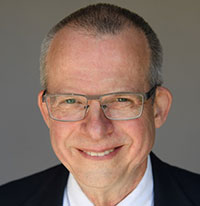
Medical Director
Dave Cundiff, MD, MPH, FASAM
Leads medical care and reviews our clinical content.
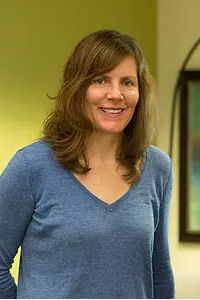
Director of Psychiatry
Jill C. Gladish, MD, MPH
Psychiatric care and medication management.

Clinical Director
Eric Pinkston, MA, CADC III
Oversees therapy and treatment planning.
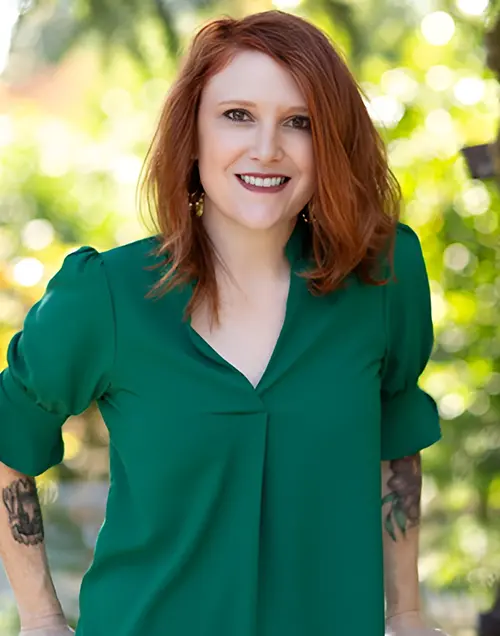
Nurse Practitioner
Bonnie Lambert, LPC, PMHNP-BC
Psychiatric nurse practitioner and counselor.
Not sure which level of care fits?
Talk it through with Garrett, Tuni or another member of our admissions team. The call is free and confidential, and there is no obligation.
Talk to admissions about yourself or someone you love
The call is confidential and there is no obligation. We will listen, check your insurance and help you choose the right level of care.